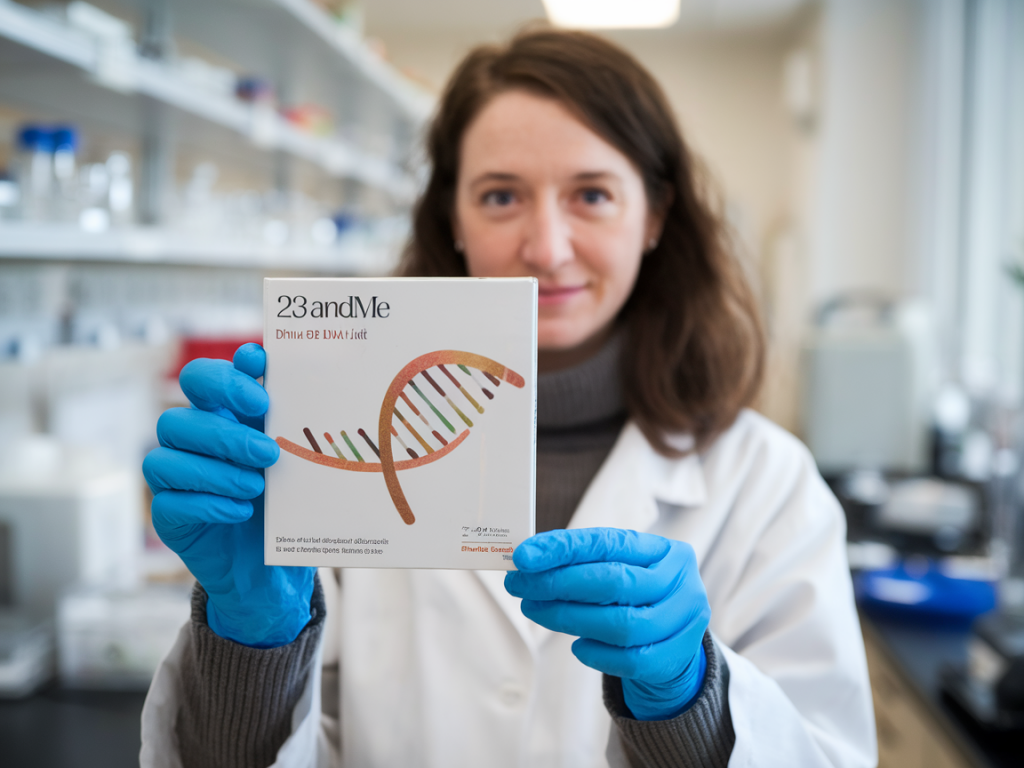
I ordered my first direct-to-consumer DNA kit out of curiosity: would my family stories about a great-grandfather from "somewhere in Eastern Europe" hold up? What I learned since then is that buying a genetic test—whether from 23andMe, AncestryDNA, MyHeritage, or another provider—is not just a one-click curiosity purchase. It’s a decision that touches privacy, health, family relationships and sometimes even legal or financial consequences. Before you buy, ask the right questions. Here’s the checklist I wish I’d had the first time.
What type of test are you buying: health, ancestry, or both?
Not all kits do the same thing. 23andMe sells versions that include health reports (carrier status, risk factors, traits) and ancestry. AncestryDNA focuses primarily on family history and ethnicity, though it integrates with genealogical tools and records.
- Ask: Does this kit provide health information or only ancestry? If health reports are included, are they clinically validated or educational only?
- Why it matters: Health-focused results can reveal sensitive information—carrier status for recessive diseases or predispositions to certain conditions—that may require genetic counseling to interpret.
- My note: I treated health reports as pointers, not diagnoses, and followed up with a genetic counselor for anything significant.
How accurate are the ancestry estimates and how do they calculate them?
Ethnicity estimates are probabilistic. They are based on reference populations and algorithms that compare your SNPs (single nucleotide polymorphisms) to the company’s database. Larger databases and frequent updates usually mean more refined results.
- Ask: How large is the company’s reference database? How often are estimates updated?
- Why it matters: Ancestry calls can shift over time as the company adds more reference samples. "Eastern European" today could be more precise in a later update.
- My note: My ethnicity percentages changed with updates—some shifts made sense after I linked family trees and DNA matches.
What happens to my raw DNA data and who can access it?
This is the privacy question that matters most. Companies store raw genotype data, but policies differ on whether they share it with researchers, third parties, or law enforcement.
- Ask: Can I download my raw data? Who has access to the raw data by default? Are data-sharing options opt-in or opt-out?
- Why it matters: You might want to upload raw data to third-party analysis sites (e.g., GEDmatch) or keep it private. Some companies may use anonymized data for research unless you opt out.
- My note: I downloaded my raw data and kept it offline. I only consented to research after reviewing the specific projects.
What are the company’s policies on sharing with law enforcement?
High-profile cases have shown that law enforcement can use consumer DNA databases to investigate crimes. Policies vary: some companies allow access under legal process, others limit it or require explicit consent.
- Ask: Under what circumstances will the company share data with law enforcement? Will you be notified?
- Why it matters: If you’re concerned about privacy or familial implications, understand the thresholds for data disclosure.
Can I delete my DNA and account? What does deletion actually mean?
Some companies let you delete your account and request destruction of DNA samples and data, but retention timelines and backups may persist.
- Ask: How do I permanently delete my DNA profile and raw data? What is the timeline and evidence of deletion?
- Why it matters: You may change your mind later—knowing the deletion process adds control.
Who legally controls the data (jurisdiction and terms of service)?
Privacy protections depend on where the company is based and which laws apply. For instance, U.S.-based companies follow U.S. laws and may be subject to different rules than EU/UK-based entities.
- Ask: Where is the company headquartered? Which country’s laws govern the terms of service and privacy policy?
- Why it matters: If you live in the UK or EU, check whether the company complies with GDPR or similar protections.
How will results affect family members and relationships?
DNA testing can reveal undisclosed paternity, unknown siblings, or other surprises. These findings sometimes strain or reshape family relationships.
- Ask: How are DNA matches disclosed? Can I control whether I'm visible to relative matching?
- Why it matters: Some people discover life-changing family information unintentionally.
- My note: I warned relatives before sharing matching results and kept sensitive matches private until we could discuss them in person.
Is there a subscription or extra cost beyond the kit?
Ancestry and other services often charge for premium features (historical records, advanced tools) or subscription services for continuous access to new features.
- Ask: What is included in the purchase price? Are there optional subscriptions or paywalls for family tree records and advanced matches?
- Why it matters: The kit price might be a starting point; ongoing costs can add up if you want deeper research tools.
What quality controls and lab standards are in place?
Look for information on lab accreditation and the type of assay (microarray genotyping vs. sequencing). Most consumer kits use genotyping arrays that target specific SNPs rather than whole-genome sequencing.
- Ask: Is the lab CLIA-certified or accredited? What method is used to generate data—genotyping or sequencing?
- Why it matters: Clinical confirmation may be necessary for any medical decisions; consumer kits are primarily for information and entertainment unless explicitly labelled clinical-grade.
Can I use the data elsewhere (raw data portability)?
If you want to run your raw data through other services (for deeper analysis or different matching algorithms), portability matters. 23andMe and Ancestry allow raw data downloads; some smaller companies do too.
- Ask: Can I download my raw data in a standard format? Are there restrictions on uploading it to third-party sites?
- Why it matters: Portability gives you more control and options for additional analysis.
What support is available if results raise health or emotional concerns?
Genetic results can be stressful. Some companies provide access to genetic counselors or clearly recommended next steps; others offer minimal guidance.
- Ask: Does the company offer genetic counseling or signposting to clinicians? What support is available for unexpected family discoveries?
- Why it matters: Professional interpretation reduces misreading of probabilities as certainties.
- My note: When my report flagged a potential carrier status, speaking with a counselor helped me understand next steps for family planning.
How long will it take to get results and what format are they in?
Turnaround times vary. Also check whether results are presented in-app, by email, or via a downloadable report.
- Ask: What is the expected processing time? Will I get updates if analysis methods improve?
- Why it matters: Faster isn't always better if the company doesn’t provide clear documentation of methods and revisions.
Checklist: Questions to ask before checkout
| Purpose | Health, ancestry, or both? |
| Data use | How is my DNA used, shared, and sold? |
| Law enforcement | Under what conditions is data shared with authorities? |
| Deletion | How to delete data and samples permanently? |
| Jurisdiction | Which country’s laws apply? |
| Lab quality | Accreditation and testing method? |
| Support | Genetic counseling or medical referrals available? |
| Costs | Upfront price + subscriptions or add-ons? |
| Portability | Can I download raw data? |
If you're leaning toward a vendor, read the privacy policy and terms of service thoroughly (I know it’s boring—still do it). If you’re in the UK, check whether the company explicitly mentions GDPR compliance. If you expect to use the results for medical decisions, plan for confirmatory clinical testing and a consultation with a genetics professional. And finally: think about how results affect your relatives—genetic information is rarely just about you.