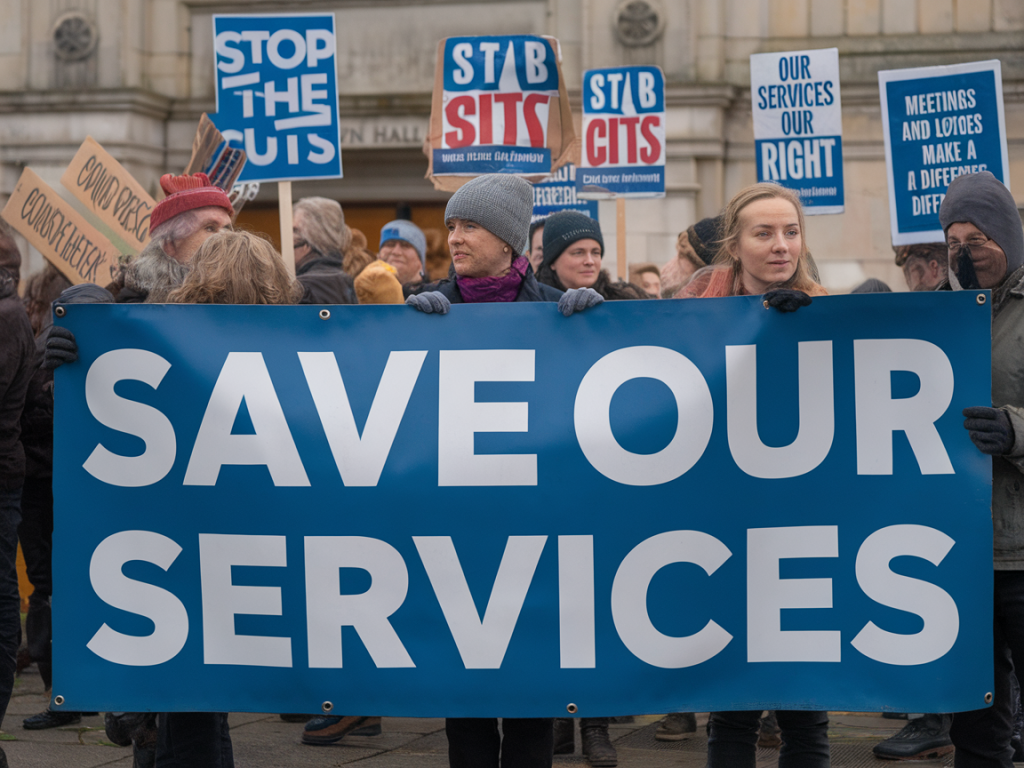
I remember the first time I saw the notice: “Service X will close from April.” It landed like a physical blow — a library, a day centre, a bus route — something people relied on every week. I also remember the surge of energy it created: volunteers, parents, pensioners, small-business owners, and local councillors suddenly talking to one another. Stopping a council service closure is hard work, but it’s often possible if you act fast, stay organised, and use both the political and legal levers available. Below I share the precise steps, meetings and legal notices that actually make a difference, based on newsroom experience, reporting on dozens of community campaigns, and conversations with lawyers and campaigners.
Move fast: the first 72 hours checklist
Time is your enemy. Many procedural rights — like the call-in window to scrutiny committees or deadlines for judicial review — depend on prompt action.
Get the official notice or decision document. Photograph notices, download PDFs.Identify the decision-maker: was this an executive (Cabinet) decision, Full Council, or delegated officer decision? That determines which rules apply.Contact sympathetic councillors immediately and ask them to call in the decision to Overview & Scrutiny (the “call-in” procedure often has a narrow time window).Set up a simple organising hub: an email list, a WhatsApp group, and a visible online petition (Change.org or a local platform).Understand the formal decision-making path
Councils have a constitution with rules about key decisions, consultations and forward plans. Knowing the path your council took tells you where to intervene.
Find the council’s Forward Plan and meeting minutes on their website — these show whether the decision was listed as a “Key Decision.”Check whether a Cabinet report or delegated officer report exists. Request it via the council website or FOI (see below).Look for statutory consultation requirements in the relevant service area — some closures (libraries, care homes, youth services) require formal consultation or equality impact assessments.Use Freedom of Information and document requests strategically
Information is power. I always advise filing a Freedom of Information (FOI) request early and making more specific follow-ups.
Ask for: the decision report, minutes of the meeting where it was discussed, any equality impact assessments, business case and financial modelling, communications with senior officers and external advisors, and the consultation plan and responses.Deadline: the council has 20 working days to respond to FOI requests in the UK. Use that time to mobilise public support and prepare next steps.Push for meaningful consultation — not just a tick-box exercise
Councils have a legal duty to consult where proposals significantly affect service users. That duty is about quality, not just form.
Demand proper consultation documents and accessible consultation events (evenings, accessible venues, online options).Collect your own evidence: user testimonies, photographs, service usage statistics, local GP or school endorsements, business impacts.Commission independent impact assessments if the council’s documents are flimsy — local universities, Citizens Advice or charities sometimes help pro bono.Mobilise local democratic levers
Local politics moves slowly but it matters. Use formal council structures alongside grassroots energy.
Call-in to Overview & Scrutiny: this pauses implementation and forces a review. The call-in period usually runs after a decision is published (check your council constitution for the exact timeframe — typically 5–10 working days).Ask councillors to refer the matter back to Cabinet or Full Council for reconsideration.Use petitions (both online and the council’s statutory petition scheme). Large petitions can trigger debates or even a referendum-style response.Request an Extraordinary Meeting: many councils allow members to call an urgent meeting if supported by a number of councillors.Legal options: where the law can stop a closure
If the council has failed to follow legal duties, you can use legal remedies. But be tactical: legal action is costly and time-sensitive.
Judicial Review (JR): challenges the lawfulness of a decision (for example, failure to consult properly, irrationality, or breach of equality duty). JR must be brought promptly — usually within three months, but realistically you should act within days or weeks if evidence of procedural unfairness exists.Equality Act 2010 / Public Sector Equality Duty: if a closure disproportionately affects a protected group (age, disability, etc.) and the council didn’t properly consider or mitigate that impact, this is a strong legal route.Employment law and TUPE: closures that affect staff may trigger collective consultation rules or transfer protections.Local Government and Social Care Ombudsman: less formal than JR, the Ombudsman can investigate maladministration or service failures, often leading to remedies or reports that embarrass the council into reversing decisions.Always consult a solicitor early. Many solicitors and legal charities offer initial advice or take cases on a no-win-no-fee basis; campaign groups sometimes crowd-fund legal challenges.
Campaign tactics that change minds
Legal and procedural levers buy you time. You need public pressure and a credible alternative plan to make the reversal politically palatable.
Build a clear, evidence-based alternative: a revised service model, a phased approach, a partnership with local charities, or a revised budget saving that protects the service.Gather high-quality endorsements: local GPs, headteachers, faith leaders, businesses, and national charities can amplify impact.Use local and national media: a well-timed local paper story, a clear press pack, and social media clips of users explaining impact are powerful. I’d recommend short videos for Facebook and Twitter — human faces win votes.Organise visible actions: peaceful protests, public meetings, a presence at council budget-setting days, and targeted lobbying of key councillors on the decision-making committee.Meetings that matter — where to show up
Certain meetings are decisive. Attend them, register to speak, and submit written questions in advance.
Cabinet / Executive Meetings: where key decisions are made. These often have a public speaking slot and are recorded.Full Council meetings: great for visibility and public debate; they can overturn or delay executive decisions in some cases.Overview & Scrutiny Committee: crucial for calling-in decisions, demanding more information, and recommending alternatives.Budget-setting meetings: closures tied to budget cuts are often rubber-stamped during budget decisions — intervening here can be effective.Keep records, document everything
Good campaigns are forensic: collect documents, record meetings, and log communications. That evidence is essential for legal challenges and to keep your narrative tight for the press.
| Document | Why it matters |
| Decision notice / report | Shows legal basis and timelines |
| Consultation materials and responses | Proves whether consultation was meaningful |
| Equality impact assessment | Key for Equality Act challenges |
| Emails / FOI responses | Demonstrate internal deliberations or omissions |
Stopping a council service closure is rarely a single dramatic court victory. It’s a sequence: rapid mobilisation, procedural pressure, quality evidence, political persuasion, and (if needed) targeted legal challenge. When communities win, it’s because they combined all these elements and stayed disciplined about deadlines and meetings. If you’re facing a closure, start with the 72-hour checklist above and get in touch with local councillors and a legal adviser as soon as you can — the clock starts the moment a decision becomes public.