When I look out over a city, what I see most clearly is opportunity: the chance to turn everyday transport choices into cleaner air for everyone. Reducing urban air pollution doesn't always require billion-pound projects or radical technological shifts. In my reporting and conversations with planners, activists and technologists, I've repeatedly found that modest, well-targeted interventions can deliver fast, measurable improvements—if they are designed with local context and people in mind.
Why low-cost interventions matter
High-profile solutions—new rapid transit lines, electric vehicle subsidies, or wholesale fleet replacements—are important but often slow and expensive. Cities need wins they can implement within budgets and political cycles. Low-cost transport interventions can cut pollution quickly, demonstrate success, and build public trust for bigger investments later. I've seen this cycle happen in places from Eastern Europe to the UK: a handful of tactical changes create tangible air quality gains and make debates about cleaner streets less theoretical.
Practical interventions that actually work
Below are the approaches I've found most effective, based on city case studies and interviews with transport planners. Each one is relatively low-cost, scalable, and focused on shifting behaviour or improving traffic flow—both of which reduce emissions.
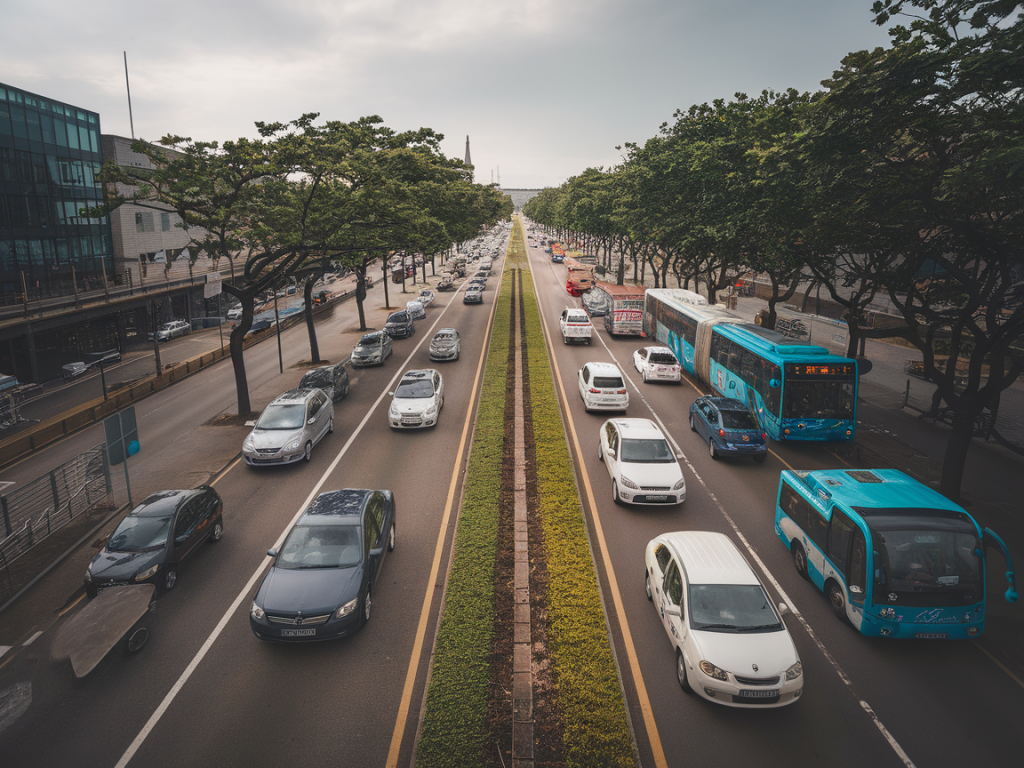
- Bus priority and signal timing: Giving buses dedicated lanes and adjusting traffic signals to prioritize scheduled buses reduces idling and accelerates public transport. Cities that implemented bus lanes and adaptive signals often saw higher bus speeds and reduced diesel emissions within months. These changes mainly require paint, signs and software updates rather than heavy infrastructure rebuilds.
- Protected bike lanes and cycle parking: Installing protected cycle infrastructure using modular barriers, paint, and flexible kerb posts is cheap compared with road widening. Paired with secure bike parking and cargo-bike subsidies, cities report shifts from car trips to bikes—especially for short journeys. I’ve ridden routes where a painted lane became a safe, well-used corridor within a season.
- School streets and anti-idling campaigns: Closing streets near schools at pick-up and drop-off times reduces local exposure to exhaust and changes parental habits. Complement these closures with visible enforcement and public education—air quality benefits can be immediate. Anti-idling enforcement outside schools and hospitals is inexpensive and politically popular.
- Low-cost monitoring to guide action: Instead of waiting for expensive reference stations, cities can deploy networks of low-cost sensors (PurpleAir, AirBeam) to map pollution hotspots. These data help target interventions—like tweaking signal timing or launching a school-street trial—so money goes where it has most impact.
- Targeted parking management and kerbside reallocation: Reducing on-street parking and reallocating kerb space for loading bays, bike lanes or widened pavements nudges people away from car use. Changes can be pilot-tested with pop-up curb treatments before being made permanent.
- Car-free days and pop-up plazas: Temporary car-free events create visible evidence that streets can work without congestion and toxic fumes. These events often lead to permanent pedestrianisation when businesses see increased footfall.
- Support for micromobility and cargo bikes: Subsidised e-bike leasing schemes or incentives for delivery businesses to adopt cargo e-bikes reduce van journeys in dense areas. Micromobility also extends the reach of public transport, making it a more viable car alternative.
How cities can implement these measures—step by step
When I advise planners or editors on coverage, I push for a pragmatic sequence: measure, pilot, scale.
- Measure—Start with low-cost sensors to create a pollution map. This tells you which streets or neighbourhoods to prioritise.
- Pilot—Try temporary interventions: paint a bike lane, run a school-street closure for a month, or convert a parking bay into a loading zone. Use quick-build materials so you can iterate.
- Evaluate—Deploy before-and-after measurements: traffic counts, bus punctuality, and sensor data for NO2 and PM2.5. Engage residents with surveys to capture perceived air quality and safety.
- Scale—If pilots reduce pollution and increase active travel, transition to permanent designs and expand to adjacent streets.
Measuring impact: what to watch
Too many projects succeed in concept but fail to prove impact. I always ask for clear, simple metrics:
- Changes in pollutant concentrations (NO2, PM2.5) at targeted locations using sensor networks
- Mode shift: percentage of trips by bike, foot, bus or car on corridor
- Vehicle speeds and dwell time (less idling equals fewer emissions)
- Public satisfaction and business impacts (short surveys)
Here’s a compact table I use when briefing colleagues or city partners. It helps set realistic expectations about cost and timeline.
| Intervention | Typical Cost | Expected Timeline | Primary Impact |
|---|---|---|---|
| Bus priority lanes & signal re-timing | £10k–£200k (software + signage) | 3–12 months | Reduced bus emissions, improved reliability |
| Quick-build protected cycle lanes | £5k–£150k per km | 1–6 months | Mode shift to cycling, lower local pollution |
| School streets (temporary) | £1k–£10k per school | weeks–3 months | Large short-term reductions in local exposure |
| Low-cost sensor network | £10k–£50k | weeks–3 months | Targeted planning data |
Common pitfalls and how to avoid them
I've seen promising pilots stumble for predictable reasons:
- Poor communication: Changes to streets affect daily routines. Early, clear outreach—explaining why an intervention is happening, how long the pilot lasts and how success will be measured—reduces opposition.
- Insufficient enforcement: A school-street closure without enforcement becomes a parking headache. Combine physical barriers, camera enforcement or volunteer marshals to make measures effective.
- Ignoring equity: Interventions should not push pollution into poorer neighbourhoods. Use sensor data to monitor redistribution effects and be ready to adjust.
- No evaluation plan: If you can’t measure it, you can’t scale it. Build monitoring into the pilot budget from day one.
Real-world examples I've covered
In one mid-sized European city I reported on, a two-month pilot of temporary bus lanes and signal prioritisation reduced average bus journey times by 20% and cut NO2 near the corridor by 18% as captured by a sensor network. Residents noticed cleaner air and reported shorter commutes—public support grew and the city funded permanent upgrades.
Another UK council used a month-long school-street trial and paired it with an outreach campaign and volunteer marshals. Within weeks parents were dropping kids a few blocks away and walking the rest of the way. Local PM2.5 concentrations dropped during peak times—small change, big local effect.
Funding and partnerships
Low-cost does not mean no cost. Funding can come from local budgets, national grants, or public-private partnerships. I’ve seen councils partner with tech firms for sensor networks (companies like PurpleAir or local startups) and with cycle shops to offer e-bike try-outs. Foundations and health agencies also often fund air-quality projects because the health benefits are clear and immediate.
When cities partner smartly—pairing cheap data collection, quick-build pilots and strong community engagement—they can cut pollution in months, not years. That practical, results-driven approach is something I try to highlight in my work: clearer air comes from small decisions well made, repeated across streets and neighbourhoods.