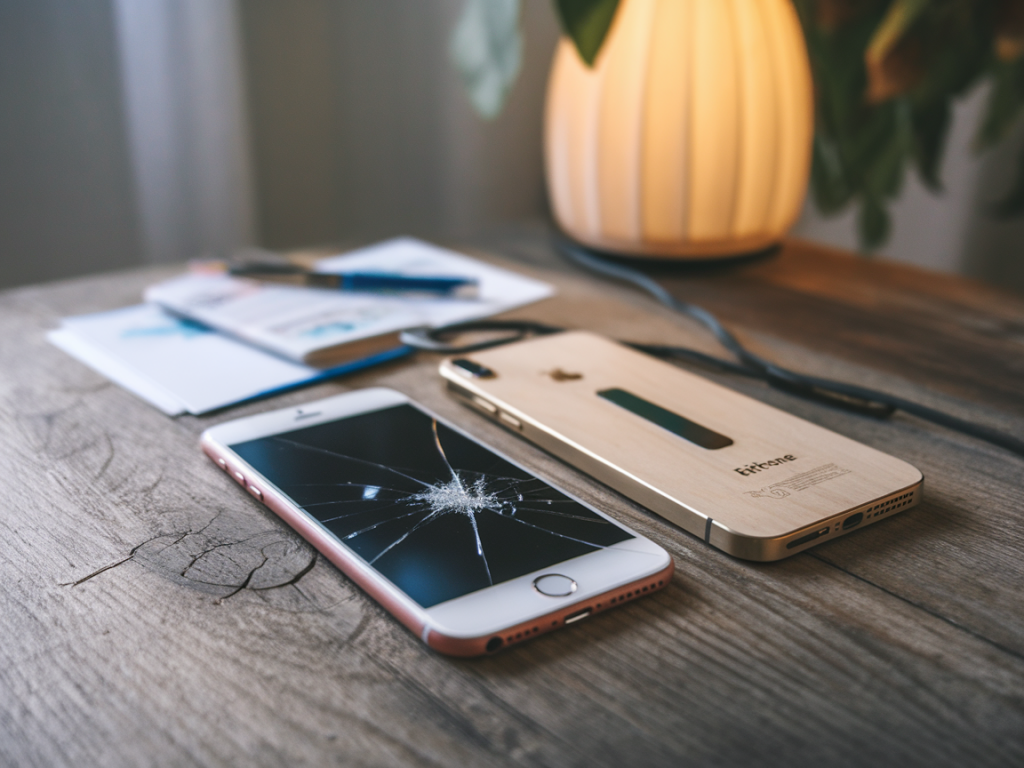
I recently faced a decision many of my friends and readers are asking: should I swap my iPhone for a Fairphone to cut down on e-waste? It’s a compelling question because it sits at the intersection of environmental values, daily practicality and digital security. I spent time reading company policies, checking repair forums, and thinking about how I actually use my phone before coming to a nuanced answer. Below I walk you through the trade-offs — battery life, security updates, resale value, performance and the real impact on e-waste — so you can decide what matters most to you.
Why Fairphone attracts attention (and why I considered one)
Fairphone’s pitch is simple and powerful: build a phone that’s repairable, use responsibly sourced materials, and keep it in service longer. The idea of swapping tiny, circuit-board-level components myself — or at least being able to replace a battery or screen without a trip to a repair shop — is attractive if your goal is to reduce waste. For someone who reads environmental reports and talks to product designers, that modularity feels like a practical step toward a less disposable tech culture.
But a phone also has to function day-to-day: fast apps, reliable battery life, frequent security updates and a decent resale value if I decide to upgrade. Those are the areas where the comparison with iPhone gets interesting.
Battery life and replaceability
One of Fairphone’s most tangible advantages is replaceability. Models like the Fairphone 3 and Fairphone 4 were designed so you can replace the battery yourself with a screwdriver and a new module you buy from Fairphone. That changes the decision calculus: instead of buying a new device when the battery gets weak, you can swap a battery and continue using the same hardware.
On the iPhone side, Apple uses non-user-replaceable batteries. In practice that hasn’t stopped iPhone owners from keeping phones for years: Apple offers battery replacement services, and battery health monitoring is built into iOS. Still, replacing an iPhone battery typically means a service appointment or mailing the device in — a friction point that nudges some people toward early upgrades.
In my testing and research, the takeaway is this: if your top priority is minimizing waste and you expect to keep a phone well beyond two or three years, the Fairphone’s replaceable battery is a real win. But if you want the convenience and performance consistency of Apple’s integrated battery systems — and don’t mind paying for official replacements — iPhone is perfectly reasonable. Battery life in daily use will depend more on the model and how you use apps than on the label alone.
Security updates: Android vs iOS, and what Fairphone promises
Security updates matter because a phone kept longer is only environmentally meaningful if it stays safe to use. Apple historically offers several years of major iOS updates and security patches — many older iPhone models continue to receive updates for five years or more after release. That long update window helps extend the practical life of an iPhone.
Fairphone is different in philosophy: it focuses on providing extended security updates and support for its specific hardware, and it emphasizes repair parts availability. Android manufacturers often ship updates for a shorter period, but Fairphone has made commitments to extend update lifecycles beyond what we see from many mainstream Android brands. In practice, that means Fairphone devices are among the better options on Android for long-term updates, though the cadence and duration still tend to lag Apple’s historically consistent multi-year major-update support.
From a security standpoint I’d rank the options like this in general terms: Apple tends to offer the most consistent long-term updates, Fairphone is one of the best Android alternatives for extended support, and most other Android manufacturers fall behind both. If receiving prompt OS and security patches for as long as possible is a core priority, that can tip the balance back to iPhone for some users.
Resale and trade-offs for value
Resale value is where an iPhone usually trumps Fairphone. iPhones retain value — sometimes surprisingly well — because of demand, perceived longevity and Apple's brand. That means you can often recoup more of your purchase price when you sell. Fairphones, built for longevity and repairability rather than mass-market demand, don’t hold resale value to the same degree.
That matters if you like upgrading regularly and selling your old device. If your default is “buy new phone every couple of years and sell the old one,” the iPhone ecosystem financially cushions that habit. If your goal is to keep a device for many years and avoid the upgrade cycle, Fairphone’s lower resale price isn’t a downside — it’s part of the plan.
Everyday performance and app ecosystem
Let’s be honest: a phone needs to perform. iPhones typically lead on raw performance, camera capabilities and app optimization. Many app developers prioritize iOS, so newer features often land on iPhone first. If you’re a heavy mobile photographer, gamer or use resource-intensive apps, iPhone will likely feel smoother over time.
Fairphones run Android and are perfectly capable for most people: web browsing, email, messaging, navigation, streaming and photo-taking. But in head-to-head comparisons with the latest iPhones, you may notice difference in speed, camera processing and prolonged performance under heavy load. For many users these differences are acceptable trade-offs for repairability and reduced waste; for others they’re deal-breakers.
Environmental impact: more than just recycling
Switching to a Fairphone can reduce e-waste by making a device repairable and encouraging longer ownership. But environmental impact isn’t just about end-of-life; it includes manufacturing emissions, supply-chain sourcing and energy used during the device’s life. A phone that’s kept for eight years is likely better for the planet than two phones used for four years each, regardless of brand. So the most effective action is often to keep devices longer, repair them when possible, and buy second-hand or sustainable brands when you must replace.
In my view, the Fairphone is a meaningful step toward better consumer electronics: it makes repair normal, not exceptional. But if your daily workflow depends on the highest possible performance and the longest, most predictable security updates, you might lean toward iPhone and pair that with responsible disposal, battery replacements and buying fewer new devices overall.
Quick comparison
| Factor | Fairphone | iPhone |
|---|---|---|
| Repairability | High — modular design, user-replaceable parts | Low — proprietary parts, vendor repair |
| Battery | User-replaceable; easy to swap | Non-user; Apple service or third-party replacement |
| Security updates | Extended compared with many Androids; improving | Consistently long multi-year updates |
| Resale value | Lower | Higher |
| Performance and cameras | Good for daily use; not top-tier | Typically top-tier |
| Environmental philosophy | Core focus | Improvements in recycling and trade-in; not core |
Who should consider swapping?
Ultimately, I chose the path that fits how I live and work: I prioritize keeping my devices longer, repair when I can, and balance that with occasional upgrades when new features materially improve my workflow. Whether that leads you to Fairphone or a long-lived iPhone, the most impactful choice is the one that keeps phones in use, not in a landfill.