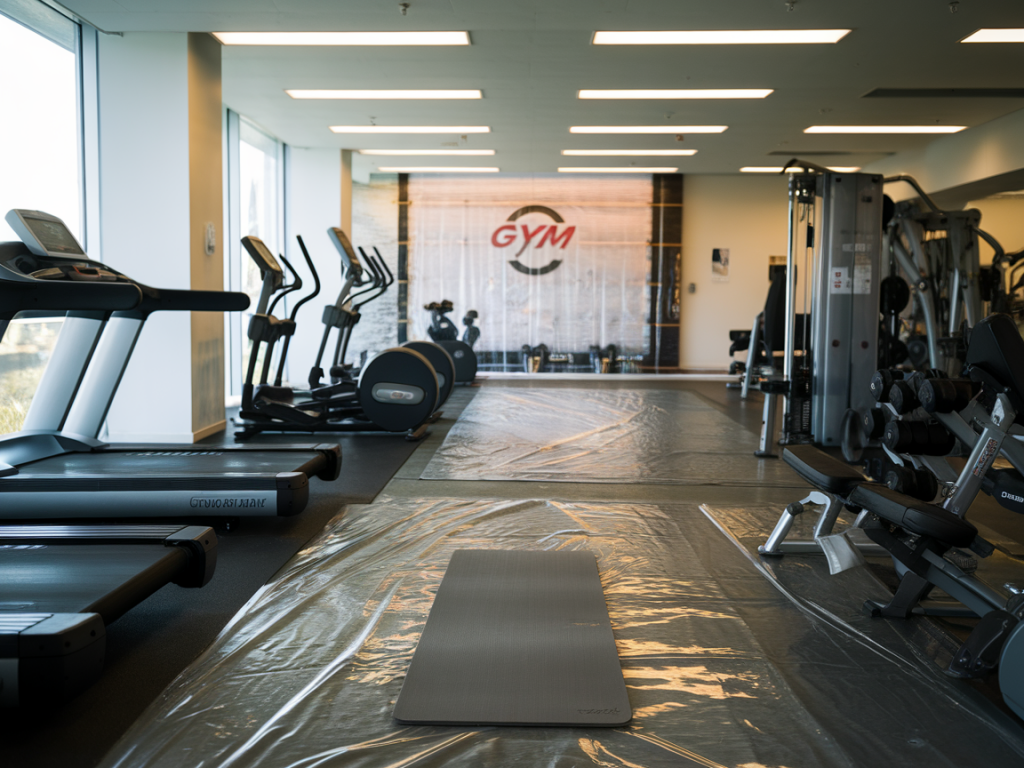
I’ve been through this exact frustration: you signed up for a gym, the pandemic hit, services were paused or drastically changed, and now you want out. Can you legally cancel your membership? The short answer is: it depends — on the exact wording of your contract, how the gym responded, and the consumer laws that apply where you live. I’ll walk you through the clauses I always check, the steps that really help, and practical options if the gym resists.
What I check first in my contract
When I get a cancellation request — or face one myself — I head straight to the contract. Here are the clauses that matter most:
- Force majeure / “acts beyond control”: This clause covers extraordinary events (pandemics, government lockdowns). If present, it may allow temporary suspension of obligations or termination. But wording varies: some clauses allow a pause only, others allow termination if disruption lasts a certain time.
- Suspension and pause terms: Many gyms introduced explicit “membership freeze” options during COVID. Check whether freezes are automatic, require request, or are time-limited.
- Material change / change of services: This clause governs whether significant changes to facilities, opening hours, classes or staff entitle you to cancel or to a refund/discount.
- Unilateral variation: Does the contract allow the gym to change terms (including price or service) without your consent? If so, is there a right to cancel if you don’t accept the variation?
- Cancellation notice and fees: How much notice do you need to give? Is there an early termination fee? Does your contract have a minimum term?
- Refund policy: Are refunds allowed for suspended months or unused paid periods? Look for specific references to prorated refunds.
- Consumer rights / governing law: Some contracts state which country’s law applies. In the UK, for example, consumer protection laws still apply even if a contract tries to override them.
How consumer law can help (UK context I rely on)
Speaking as a UK-based journalist who reads the small-print regularly: contractual terms can’t lawfully remove your statutory consumer rights. The Consumer Rights Act 2015 says services must be provided with reasonable care and skill and as described. If a gym suspended most services for months and offered limited alternatives without an adequate remedy, that could be a failure to provide the service you paid for.
Citizens Advice and the Competition and Markets Authority (CMA) have stated that blanket refusal to refund customers for closed facilities or months without service may be unfair. If the gym changed your membership materially (for example, closed the pool permanently or removed classes) without offering an equivalent alternative, you may be able to cancel for breach.
Steps I take when I want to cancel
Here’s the practical sequence I follow and recommend to readers — it gets better results than emotional shouting on social media.
- Gather evidence: screenshots of class cancellations, emails about closures, bank statements showing payments, the original contract, and any messaging from the gym promising freezes or refunds.
- Check the exact wording: find the clauses listed above and copy the relevant text. I highlight phrases that mention “temporary suspension”, “force majeure”, or “change of services”.
- Request a formal freeze or cancellation in writing: email or use the gym’s official contact form. Say: “I wish to cancel my membership due to [state reasons: prolonged suspension, material changes]. I request a refund/prorated refund for months where services were unavailable.” Keep the tone firm and factual.
- Escalate internally: if front-line staff refuse, ask to speak with a manager or the complaints department. I put every step in writing so there’s a paper trail.
- Use alternative dispute resolution: many contracts require or allow referral to an ombudsman or ADR. Check if the gym is signed up to a dispute scheme.
- Get external help: contact Citizens Advice (UK), your local trading standards, or a consumer protection body. They can provide template letters and next steps.
- Consider a chargeback or small claims: if you paid by card and you weren’t provided the service, your card issuer may offer a chargeback. As a last resort, small claims court can be used to recover refunds.
Sample reasons that strengthen a legal case
| Situation | Why it helps |
|---|---|
| Gym closed for months by law | Shows inability to provide paid service; strong argument for refund or cancellation under consumer law. |
| Permanent removal of key facility (pool, classes) | Material change — you paid for a set of services now reduced. |
| Gym offers limited online classes but no in-person services | May be reasonable for some, but if online is not equivalent and you didn’t consent, you can argue it’s a change of contract. |
| Gym refuses to freeze membership despite closure | Unfair practice; regulators have challenged such policies. |
Examples from known chains
During the pandemic, chains responded differently. PureGym and The Gym Group tended to offer freezes and later extended memberships. David Lloyd and Nuffield offered credits or extended memberships in some cases. Some independent gyms refused refunds but allowed freezes. The lesson I learned reporting on these stories: responses are inconsistent — so read your contract and get promises in writing.
What to include in a cancellation email I write
When I write a cancellation request, I keep it short but precise. Here’s the structure I use (paraphrased in my own words when I send it):
- State membership details: full name, membership number, start date.
- Describe the disruption: dates the gym was closed, services removed, or classes canceled.
- Reference the clause(s) in the contract (quote briefly).
- State the remedy sought: cancellation and refund for X months or prorated refund/credit.
- Set a clear deadline for response (e.g., 14 days) and say you’ll escalate to Citizens Advice / your card issuer / small claims if unresolved.
When cancellation may be harder
If your contract has a strong minimum term, no explicit cancellation for service changes, and a unilateral variation clause that allows the gym to alter offerings, you may face more resistance. Still, unilateral price increases or a prolonged inability to use facilities can be argued as breach — especially with supporting consumer advice.
Record keeping and persistence matter
I can’t overstate this: keep every email, screenshot and call note. If you end up in a dispute, a clear timeline wins more cases than a heated rant. If you paid by Direct Debit, contact your bank as well — cancelling the Direct Debit without following proper steps can lead to collection actions, so use it cautiously and document why you’re stopping payments.
Finally, remember this: gyms want to retain members, so many will negotiate if you present a clear legal and factual case. Even if you don’t win immediately, persistence, documented evidence, and knowledge of your rights go a long way.