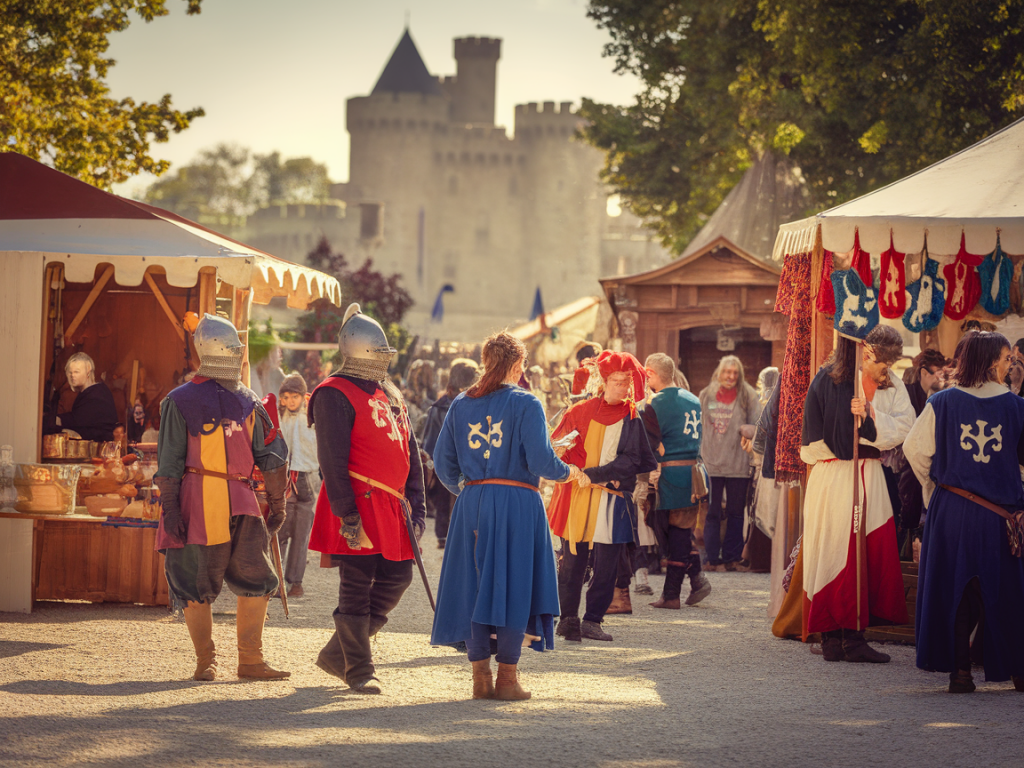
I’ve spent years watching how a single weekend festival can change the energy of a neighbourhood, and why those effects often outlast the music and the last plate of street food. French cultural festivals — from the global pull of Cannes and Avignon to regional fêtes like Fête de la Musique or small-town jazz and wine festivals — are not just celebrations. They are practical engines for local tourism revival, weaving together economy, identity, and social life in ways that matter for towns trying to bounce back after slow seasons or hard shocks.
Why festivals fix something a brochure can’t
Brochures and websites sell destinations. Festivals sell experiences. When I travel to cover a festival, what stays with me is a feeling: the buzz of a crowd, a local chef’s take on a classic dish, a conversation with an artist who lives down the street. Those sensory memories are what drive repeat visits and word-of-mouth. In marketing terms, festivals create earned media and authentic social content — not just passive impressions.
But there’s a deeper mechanism at work. Festivals create concentrated demand at times when local businesses need it: shoulder seasons, post-crisis recovery, or after natural downturns. They give hotels, restaurants, transport providers, artisans, and guides a reason to scale up temporarily — hiring staff, ordering more produce, or adding cultural tours — which injects income and confidence into the local economy.
Economic impact — measurable and real
I’ve tracked budgets and spoken with mayors who told me: a 48-hour spike in visitors can keep a year-round café afloat. Here are the direct channels through which festivals revive tourism:
To make that more concrete, I pulled numbers from a few municipal reports I’ve seen. Below is a simplified table illustrating typical festival-related gains compared to an average weekend in a small French town (figures are illustrative based on my reporting across several regions):
| Metric | Average Weekend | Festival Weekend |
|---|---|---|
| Hotel occupancy | 45% | 85%+ |
| Restaurant turnover | €8,000 | €22,000 |
| Local vendor sales | €1,200 | €6,500 |
| Short-term hires | 5 | 20 |
Culture as a magnet: why the French model works
France’s cultural policy — from subsidies to artist residencies — means festivals often have high-quality programming that appeals to international and domestic tourists alike. But the real advantage is how festivals are embedded in local identity: a lavender festival in Provence, a jazz weekend in Nice, a gastronomy fair in Bordeaux. These events are not generic; they are rooted in place. That authenticity is exactly what travellers seek post-pandemic: meaningful, low-risk interactions with culture and community.
I remember walking through the courtyard at Avignon off-season and hearing theatre students rehearse — the festival leaves a cultural ecosystem in place that benefits visitors and locals long after the posters come down. When a place invests in the arts, it builds infrastructure: venues, training, networking opportunities — infrastructure that tourism leverages.
Social benefits that feed tourism
Festivals do something less tangible but equally important: they rebuild social trust. After crises such as floods, economic downturns, or the pandemic, hosting events sends a signal: “We’re open. We’re resilient.” That message encourages visitors and, crucially, former residents who left for work to come back for a weekend — often discovering new opportunities and sometimes deciding to return more permanently.
On a practical level, festivals bring together volunteers, local associations, and municipalities. That collaboration upgrades civic capacity: volunteers gain event-management skills; local producers improve packaging and standards to sell to tourists; councils learn crowd management. All of these increase a locale’s ability to host visitors sustainably.
Sustainability and the future of festival-led tourism
Not all festivals are created equal when it comes to sustainability. The most successful ones I’ve covered have leaned into environmental planning, transport partnerships, and local supply chains. They reduce the carbon footprint by coordinating rail discounts, providing shuttle buses, and sourcing food from nearby farms. This matters because modern tourists — especially cultural tourists — are choosing destinations aligned with their values.
When organisers partner with local NGOs or use platforms like Weezevent for eco-ticketing and waste tracking, they make the event part of a broader sustainable narrative. That narrative attracts a higher-spending, repeat-visiting demographic who become brand ambassadors for the town.
Practical advice for towns and organisers
If I could give three practical impulses to a mayor, cultural director, or event planner, they would be:
Tips for visitors who want to support revival
If you want your festival weekend to do more than entertain you, consider these choices:
Examples that show the model works
I’ve reported on small festivals that became regional anchors. A wine fête in a Loire valley town increased autumn stays by 40% after organisers added harvest workshops and B&B packages. A coastal town’s contemporary art weekend sparked a permanent gallery space because visitors kept asking where to see more. These are not miracles; they are the product of consistent investment in programming, marketing, and partnerships.
Brands can play a constructive role, too. When a local craft beer brewer partners with a music festival to create a limited-edition brew — and sells it exclusively at the event and local bars afterwards — that product becomes a walking advertisement for the place. It’s a small commercial idea with outsized cultural impact.
I don’t romanticize festivals: they can bring crowding, noise, and environmental strain. But with thoughtful design, collaboration, and measurement, they become tools for equitable recovery. They help towns reconnect to their own stories and present those stories in ways that attract curious, motivated visitors. That’s why, when I plan coverage or advise local leaders, I focus less on the headline act and more on the ecosystem the festival can build — because that ecosystem is the real engine of tourism revival.