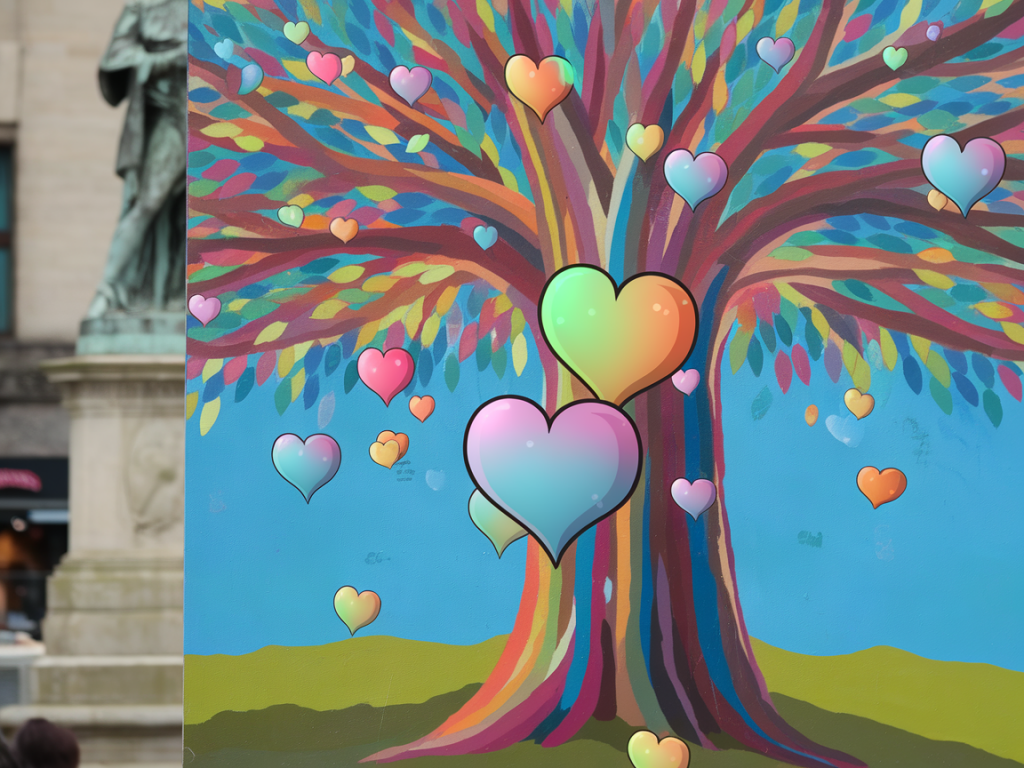
I remember the first time I put on an AR headset in a public square and felt something shift—not because the pavement changed, but because the atmosphere did. A mural that had always felt distant and static suddenly spoke in different languages. A dark alleyway glowed with wayfinding cues that made me want to walk through it. That moment stuck with me because it showed how augmented reality (AR) can do more than dazzle: it can make cities feel safer and more inclusive by layering information, narratives, and interventions on top of physical space.
Why artists are turning to AR for public safety and inclusion
Artists have long used public space to challenge who belongs and how people move through cities. AR gives them an invisible, low-cost canvas that can be updated in real time. Instead of relying on permanent structures or municipal approvals, creators can prototype interventions quickly and target them to specific communities or moments. For communities that have been historically marginalized or policed, that flexibility is powerful.
People often ask me: what can AR do that murals, signs, or community patrols can’t? I’ve found three core strengths:
Examples that matter
There are already compelling projects showing how this works. In London, I tested an AR layer developed by a local collective for a late-night arts festival. Using the AR app on my phone, I could point my camera down a street and see routes lit in soft colors that local women had flagged as well-lit and well-served by night buses. Tapping a marker revealed community-sourced tips and a small audio clip from a neighborhood resident explaining why that route felt safer.
Internationally, teams like TeamLab and Acute Art have popularized large-scale AR experiences, but smaller, community-focused projects are where safety and inclusion emerge. For instance, a project in São Paulo used AR to overlay historical information and personal stories on formerly neglected public housing blocks, reframing how residents and visitors perceived those spaces. In New York, artists partnered with local shelters to create AR wayfinding that directs people to warm spaces and free services during winter.
Commercial platforms are getting involved too. Snapchat’s Map and AR Lenses allow creators to design location-based experiences, while Google’s ARCore and Apple’s ARKit make it easier for artists to build cross-platform work. I’ve used apps built on these toolkits to experience guided walks where AR signs highlighted public toilets, nurse stations, and quiet refuges—simple cues that can change whether a city feels welcoming.
How AR makes spaces feel inclusive
Inclusivity isn’t just about adding information; it’s about changing who the space is for. Here are practical ways AR can help:
Risks and ethical considerations
I won’t romanticize AR. There are real concerns about surveillance, digital exclusion, and misrepresentation.
How artists and communities are building responsibly
In the projects I’ve covered or commissioned, responsible practice looks like this:
Practical tips for experiencing or supporting inclusive AR projects
If you want to try an AR safety project or support one in your area, here are steps I recommend based on what I’ve learned in the field:
What I’d like to see next
I’m excited by the potential for AR to be part of civic infrastructure: city-hosted AR layers for safe routes, collaborative storytelling platforms that let residents curate histories, and emergency overlays that show shelter locations during crises. But I also want to see funding and policy that prioritize inclusion—grants that require community partnerships, procurement guidelines that favour privacy-first design, and public toolkits that lower technical barriers.
When artists, technologists, and communities collaborate thoughtfully, AR can shift the feel of public space from alienating to welcoming—without replacing the material investments cities still need, like better lighting and public toilets. I’ve seen small, human-scale AR projects make late-night streets feel less intimidating and city squares feel more legible. That’s not a technical miracle; it’s surprising what a few well-placed narratives, accessible cues, and community voices can do when they’re layered right on the places we already share.