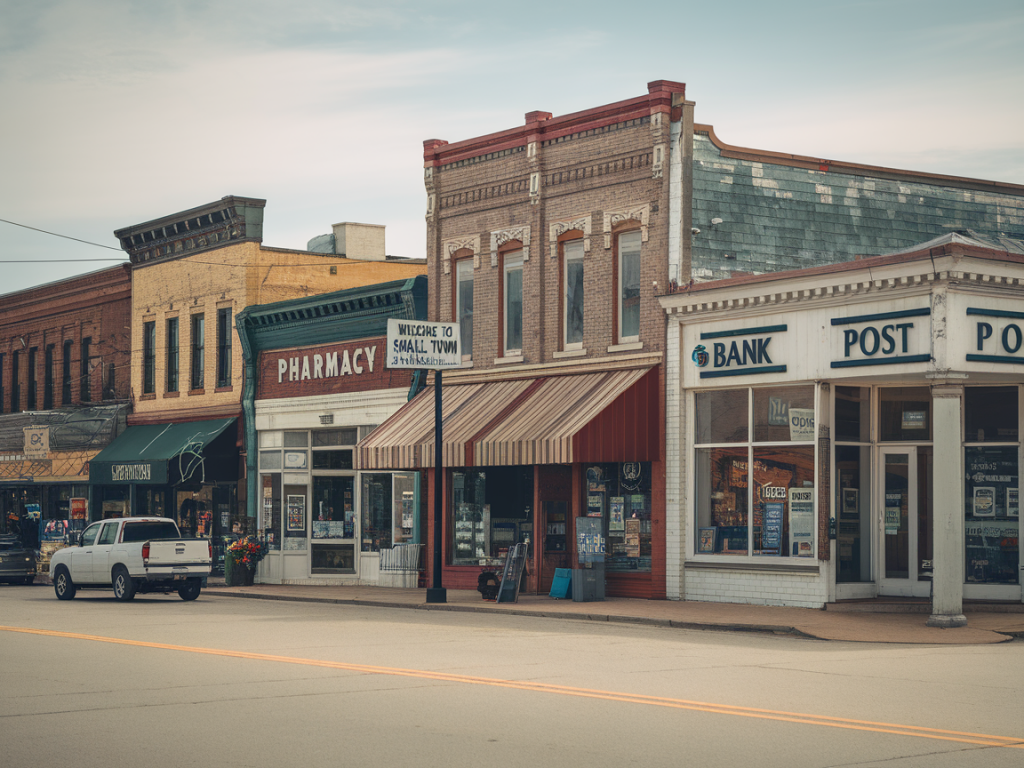
I first started paying attention to how asylum policy ripples through small towns when a local council meeting took a sharp turn from planning permissions to questions about food banks and school places. What looked at first like a dry debate about legal frameworks was, in reality, about people whose lives — and the services around them — had to be rearranged quickly. Changes in national asylum policy don't just affect border controls or legal case backlogs; they reconfigure local economies, labour markets, housing, and public services in ways that are both immediate and long-term.
Why asylum policy matters in small towns
National policy sets the rules for who can claim asylum, how claims are processed, and what support is available during and after the process. But the consequences of those rules are experienced most tangibly at the local level: in the GP practice with a sudden influx of new patients, the primary school trying to integrate children who speak little English, or the B&B that becomes temporary accommodation for families.
Small towns are especially sensitive for several reasons:
How recent policy shifts reshape demand and supply
Several types of policy change have direct, predictable impacts in small towns. Let me walk through three I’ve seen again and again.
1. Restrictions on work rights for asylum seekers
When national policy tightens access to the labour market — for example, by extending the period before a person can legally work — it reduces income opportunities for asylum seekers and increases demand for welfare or charity support. That means local food banks, like the Trussell Trust affiliates I visited in towns across the UK, often see higher demand. At the same time, employers in sectors such as agriculture, hospitality, care homes and construction report shortages. I’ve spoken to farmers who rely on seasonal workers and small care providers who can’t find candidates to fill zero-hours contracts. Restrictive policies thus create a paradox: they increase need while starving the local economy of a potential workforce.
2. Changes to accommodation models
Policies that centralise housing provision or introduce large-scale contingency hotels have clear local effects. When hotels or former care homes are repurposed to house asylum seekers, the local hospitality economy may lose customers, while the town gains a sudden population increase that strains GP surgeries, schools and bus networks. Conversely, community-based dispersal—placing families in small-scale properties across towns—diffuses service demand but raises issues about access to legal advice and English classes. I recall a northern market town where a single private contractor managed dozens of temporary placements; the contractor’s capacity limited the quality of accommodation and the speed of referrals to support services.
3. Policy unpredictability and funding uncertainty
Perhaps the most damaging effect I’ve observed is unpredictability. Councils need consistent funding streams to plan services. When central government changes asylum budgets, alters eligibility for benefits, or shifts responsibility between agencies, local authorities scramble. Staff recruitment freezes, community projects lose grants, and long-term initiatives—like language training or trauma counselling—get cancelled. Residents see headline announcements but rarely the pipeline of cuts and countermeasures that follow.
The human side: services, schools and health care
I’ve spent time in classrooms and health centres where the numbers tell a story. One headteacher explained how a cohort of 15 newly arrived pupils required additional English as an Additional Language (EAL) support. In a big city that’s manageable; in a town with six teachers and no dedicated EAL specialist, it meant reorganising lesson plans and stretching budgets.
Health services face similar pressures. Local GPs often have limited appointment capacity, and interpretation services add cost and time to each consultation. Mental health services, already under strain, must also contend with complex trauma — needs that are expensive and slow to treat. In one coastal town, the community psychiatric nurse caseload doubled after local dispersal policies increased the asylum-seeking population threefold within six months.
These pressures are not only burdens; they also create opportunities. Many small towns see social enterprises and charities step in. Volunteer-led English classes, community health navigators, and employment programmes tailored to asylum seekers appear where public provision is thin. The agility of these grassroots responses is impressive, but they often depend on a few committed individuals and precarious funding.
Local economies: new demand, new gaps
At the shopkeeper level, the effects can be straightforward: new residents create demand for products and services. Local supermarkets such as Tesco or Aldi adapt by stocking culturally appropriate food lines, and entrepreneurs set up ethnic grocery stores and restaurants that diversify the high street. I’ve seen small towns revive previously empty retail units as new businesses serving both settled and new populations.
Yet the benefits are uneven. If asylum policy limits work eligibility or income support, households can't spend, and local businesses gain nothing. Similarly, large-scale, short-term housing provision (using hotels, for example) may route spending away from town centres — staying guests often rely on catered meals and don't interact with local retailers. The net economic impact therefore depends on how policy shapes income and integration opportunities.
What works: practical steps I’ve seen succeed
From visiting dozens of communities, several practical measures stand out as effective in easing pressures and amplifying benefits:
Questions readers often ask — answered
Does bringing asylum seekers to small towns increase crime? Evidence and local policing data I’ve reviewed generally show no sustained increase in crime rates. Issues that do arise tend to stem from social stressors — overcrowded housing, exploitation by unscrupulous landlords — rather than from any innate risk associated with asylum seekers.
Will asylum seekers take jobs from locals? In practice, asylum seekers fill gaps, especially in low-paid, undervalued sectors. The bigger risk is labour market mismatch and employment rules that prevent them from complementing the local workforce.
How can residents make services cope better? Supporting local charities, volunteering as language tutors, and advocating to councils for transparent planning and funding are immediate steps. Constructive engagement — not protest — helps local systems adapt.
When I report on this, I try to focus on specific policies and the levers that can be adjusted: work rights, local funding certainty, integration programmes. These are the knobs that determine whether small towns experience asylum-related change as disruptive and costly, or as a source of renewal and resilience. The difference often comes down to planning, predictable funding and the willingness to treat newcomers as potential contributors rather than just recipients of support.