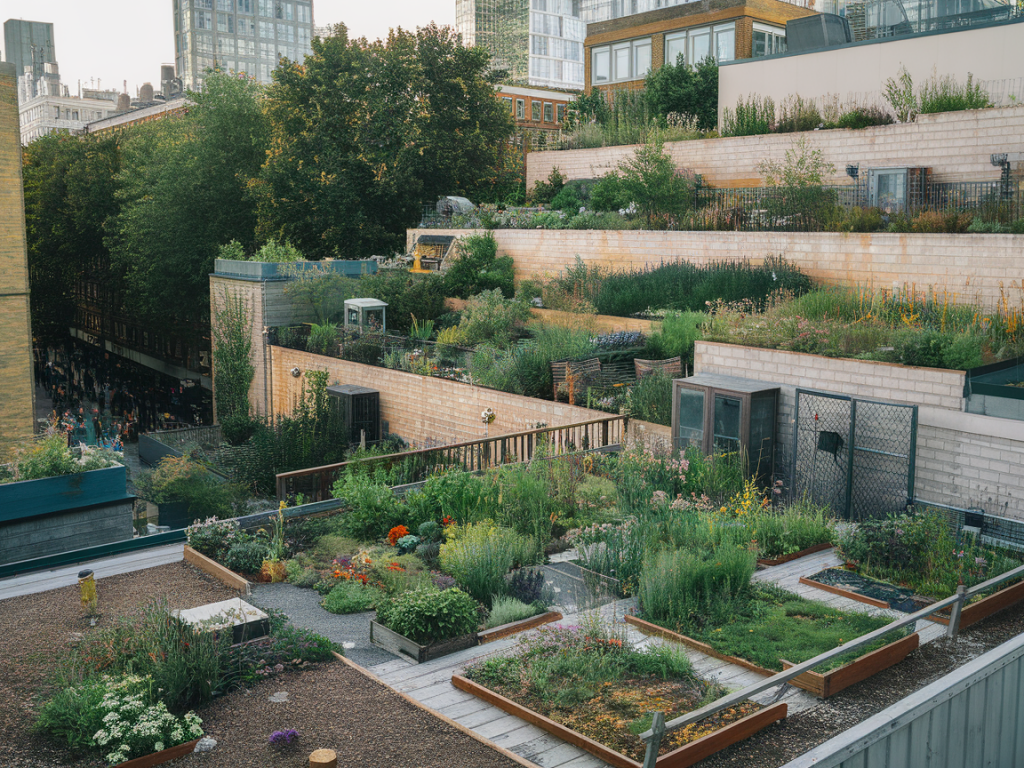
When I first wandered into Brixton’s back alleys looking for a late coffee and a break from headlines, I stumbled into a small patch of green that felt out of place among the market stalls and terraced houses: a community garden tucked behind a row of shops, overflowing with chard, runner beans and a proud fig tree. That unexpected patch of abundance told a story I hadn’t expected to hear so clearly—the story of how urban gardening can change not just what people eat, but how a neighborhood eats, shares and cares for one another.
From scraps to supper: how a garden became a food source
At first glance, the garden was modest: raised beds, a few compost bins, a shed with mismatched tools and a rota scrawled on a whiteboard. But the space fed dozens of families during the summer months. Volunteers harvested enough salad leaves, courgettes and tomatoes to stock a weekly stall where produce was either sold at "pay what you can" prices or given away to neighbours in need.
I began helping there on a voluntary shift and quickly saw the chain reaction. Families that couldn’t always afford fresh veg now had regular access to produce. Seniors who felt isolated came to chop chives and water seedlings, and young people gained hands-on experience with food growing that most of their parents never had. What started as a collection of raised beds turned into a micro-economy: seed swaps, recipe exchanges, informal bartering and, crucially, a steady increase in local food security.
Why urban gardening matters for food access
People often picture food access in terms of supermarkets or food banks. Those are vital, but local, garden-based food systems solve problems that larger systems can’t always reach:
In Brixton, this translated into a reliable weekly stall at a community centre and a partnership with a local food bank that accepted surplus produce. The garden didn’t replace emergency food aid — it complemented it, adding nutritious variety to what families received.
Practical steps we used to scale impact
Scaling from one garden bed to a neighbourhood resource required pragmatic choices. Here are tactics that worked for us — and that you can adapt to your street or block.
What grows well in small London plots (and when)
| Crop | Best season | Why it works |
|---|---|---|
| Lettuce & salad leaves | Spring–Autumn | Fast-growing, continuous cut-and-come-again harvest |
| Courgettes (zucchini) | Summer | High yield per plant — feeds many families |
| Runner beans | Summer–early autumn | Climbs vertical spaces, good for small plots |
| Garlic | Plant autumn, harvest next summer | Low maintenance, long shelf life |
| Herbs (parsley, mint, chives) | All year (some sheltered) | Small, high-value crops; great for elderly gardeners |
Beyond food: the unseen benefits
Gardening’s value isn’t only measured in kilograms of tomatoes. I saw other benefits that changed the fabric of the neighbourhood:
Common obstacles and how we navigated them
It wasn’t all easy. Here are common hurdles and the practical fixes that helped:
How policy and institutions can help
City councils and trusts can amplify impact. Practical measures I think should be promoted include:
Walking through that garden in Brixton kept reminding me that urban gardening is not a niche hobby — it’s a practical, accessible way to improve food access, community resilience and everyday wellbeing. If you’ve been thinking about starting something on your street, consider a single raised bed and a clear plan for sharing the surplus. Small plots can deliver big change when neighbours sow together.