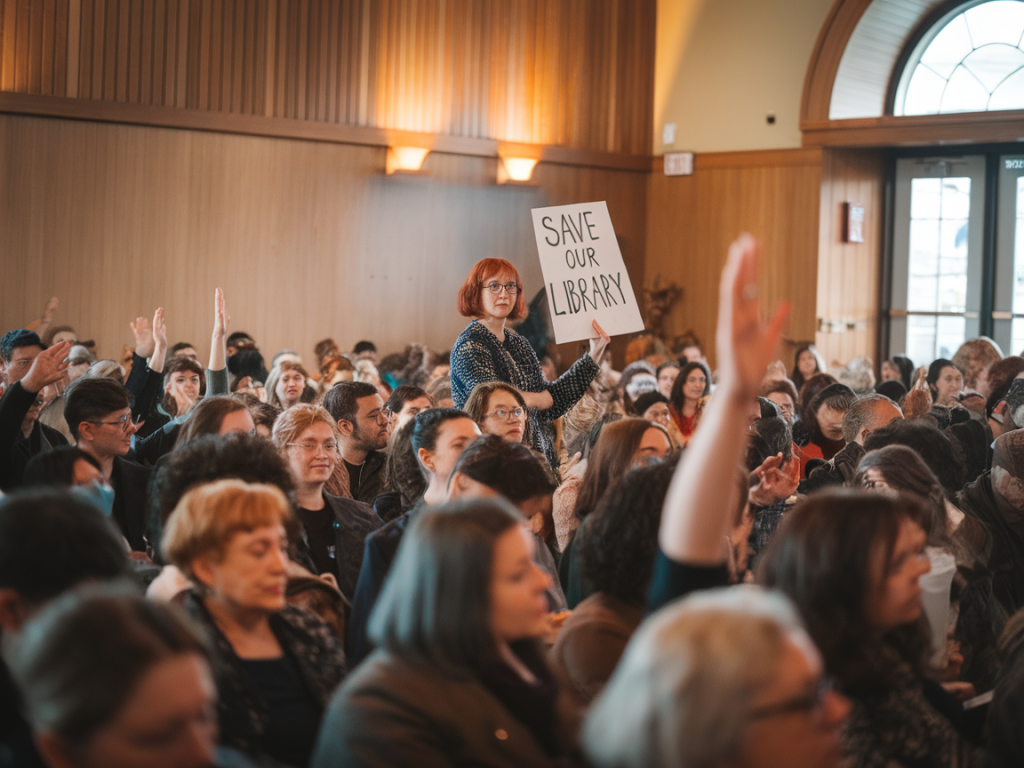
I found out my local council was planning to close our public library the way most of us do now: a short, alarming notice buried in a council papers PDF. If you’re reading this because your town faces the same threat, you’re not alone — and you don’t have to accept it. I’ve spent years covering civic debates, and when institutions like libraries are on the line, clear questions and organised community pressure often change outcomes. Below I’ll walk you through the exact questions I asked my council, the evidence I used, and the practical steps that turned concerned neighbours into a winning campaign.
Why ask questions first?
Asking targeted questions does three things: it forces transparency, it creates a public record, and it reveals the decision points where a council can be persuaded to change course. Councillors and officers respond to scrutiny and to the prospect of political cost. I always start with questions because they slow the process down enough to allow facts, alternatives, and community voices to enter the room.
Questions to ask at public meetings or in writing
Use plain language, cite deadlines (consultation closing dates, meeting dates), and ask for data. Here are the questions I used — tailor them to your local context.
How to ask — templates I used
Write short, polite, and precise requests. Councils can ignore vague complaints but rarely ignore simple, documented questions.
Email subject: Request for information: proposed closure of [Library Name] — options appraisal and impact assessment
Email body:
Dear [Officer/Councillor name],
I am writing to request copies of the following documents related to the proposed closure of [Library Name]: the options appraisal considered by the council, the community impact assessment, and the year-by-year budget saving estimate. Please also confirm the dates and invite lists of consultations held with local groups and schools. I request these documents under the council’s publication/access policy and ahead of the [next meeting date].
Yours sincerely,
[Your name, address, contact]
What to bring to a council meeting — my checklist
Scripts that work — what I said at the meeting
Keep remarks short and human. I use three lines: identify, illustrate, ask.
“I’m Éloïse Martin; I use this library for my weekly job-search workshop. Closing this space will affect dozens who rely on free Wi‑Fi and a quiet place to apply for jobs. Will the council commit to publishing the options appraisal and a 12‑month pilot of community co‑management before taking a final vote?”
That format names you, shows impact, and makes a clear, time-bound request.
Data and evidence to collect
Decision-makers respond to numbers. If you can’t get official data, gather community-sourced evidence:
Practical partnerships that helped in my campaign
I reached out to groups with existing infrastructure: the local university’s volunteering department, the branch of the national library service, and Age UK. These organisations provided credibility and concrete alternatives (volunteer staffing models, grant pathways, and shared-service proposals). Use these names when you ask the council for a delay to explore them.
| Stakeholder | What they can offer |
| Local college | Business rates advice, volunteer admin support |
| Age UK | Outreach to older residents, volunteer training |
| Community Interest Company | Governance templates for community-run services |
Media, social mobilisation and timing
Local press coverage amplifies pressure. I briefed one local reporter with the council’s responses and the community alternative plan — it ran a front-page story the day before the key vote. Social media helps recruit attendees to meetings: a clear event page, a simple call to action (“Ask your councillor these three questions”), and scheduled reminders boosted turnout.
Finally, aim to create a single, simple ask: usually a pause in the decision to allow proper consultation and a pilot of alternative models. Councils are more likely to accept a short delay than to reverse a final decision.